Mobile Tyre Solution2
Alloy Wheels
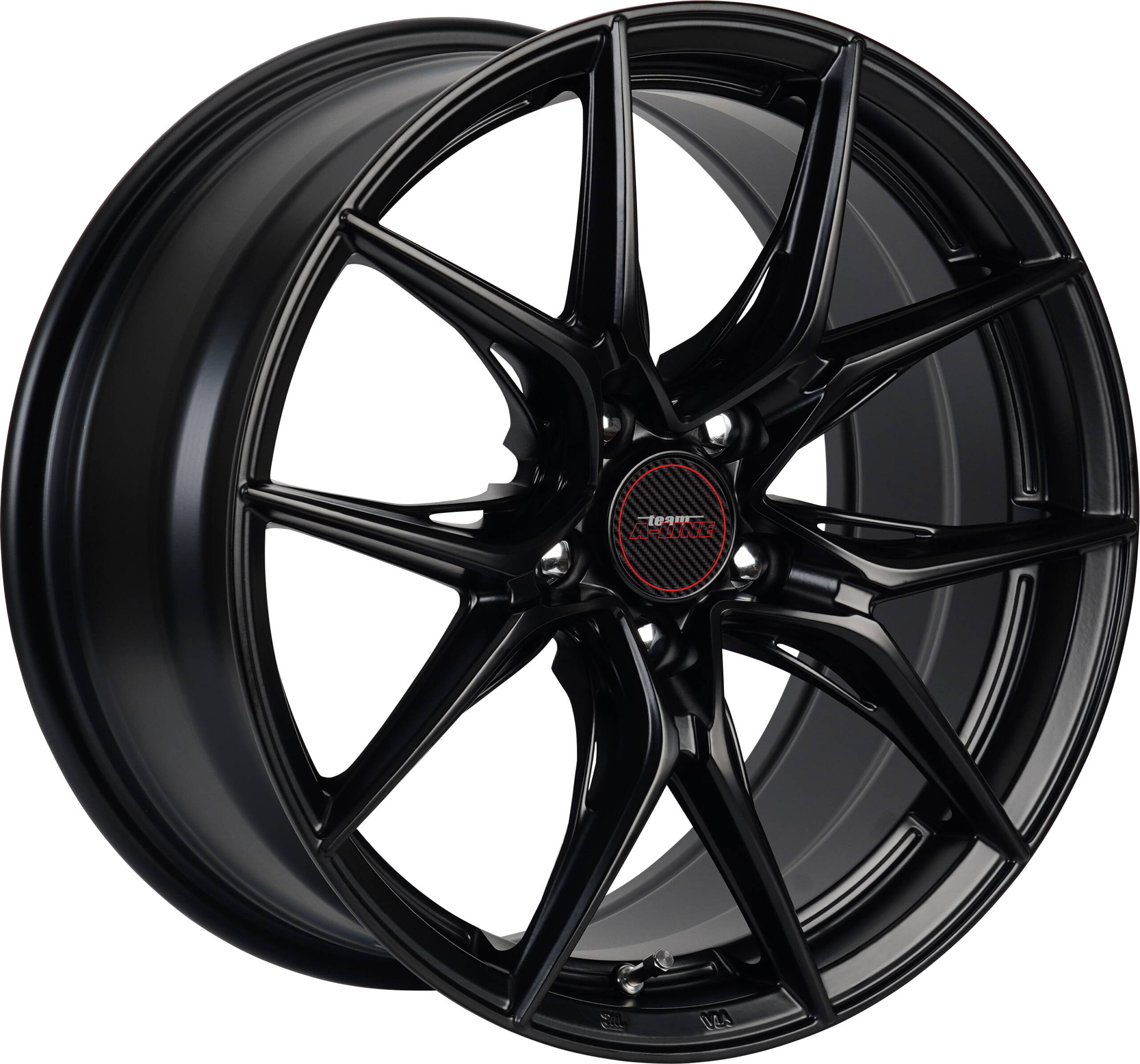
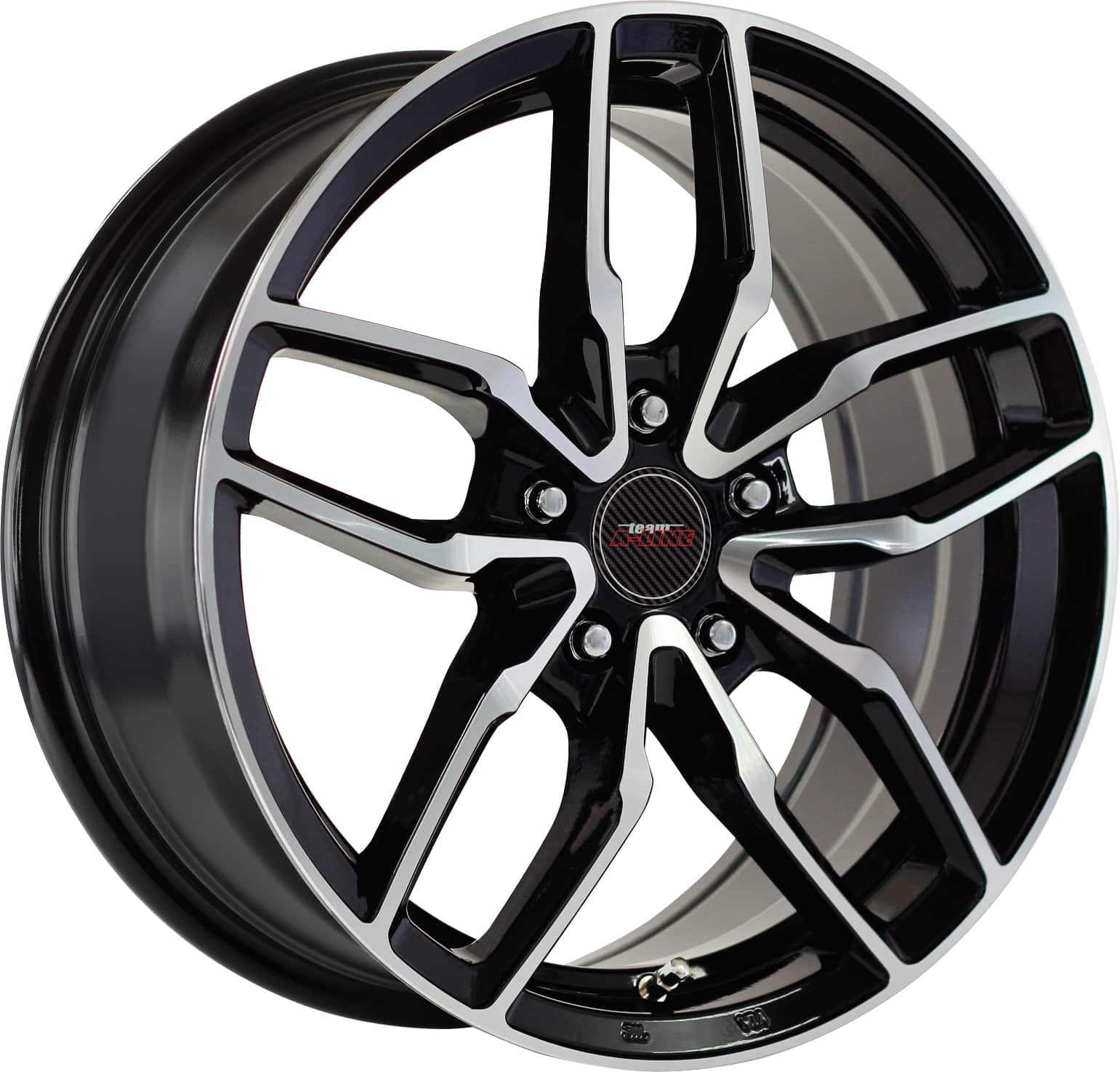
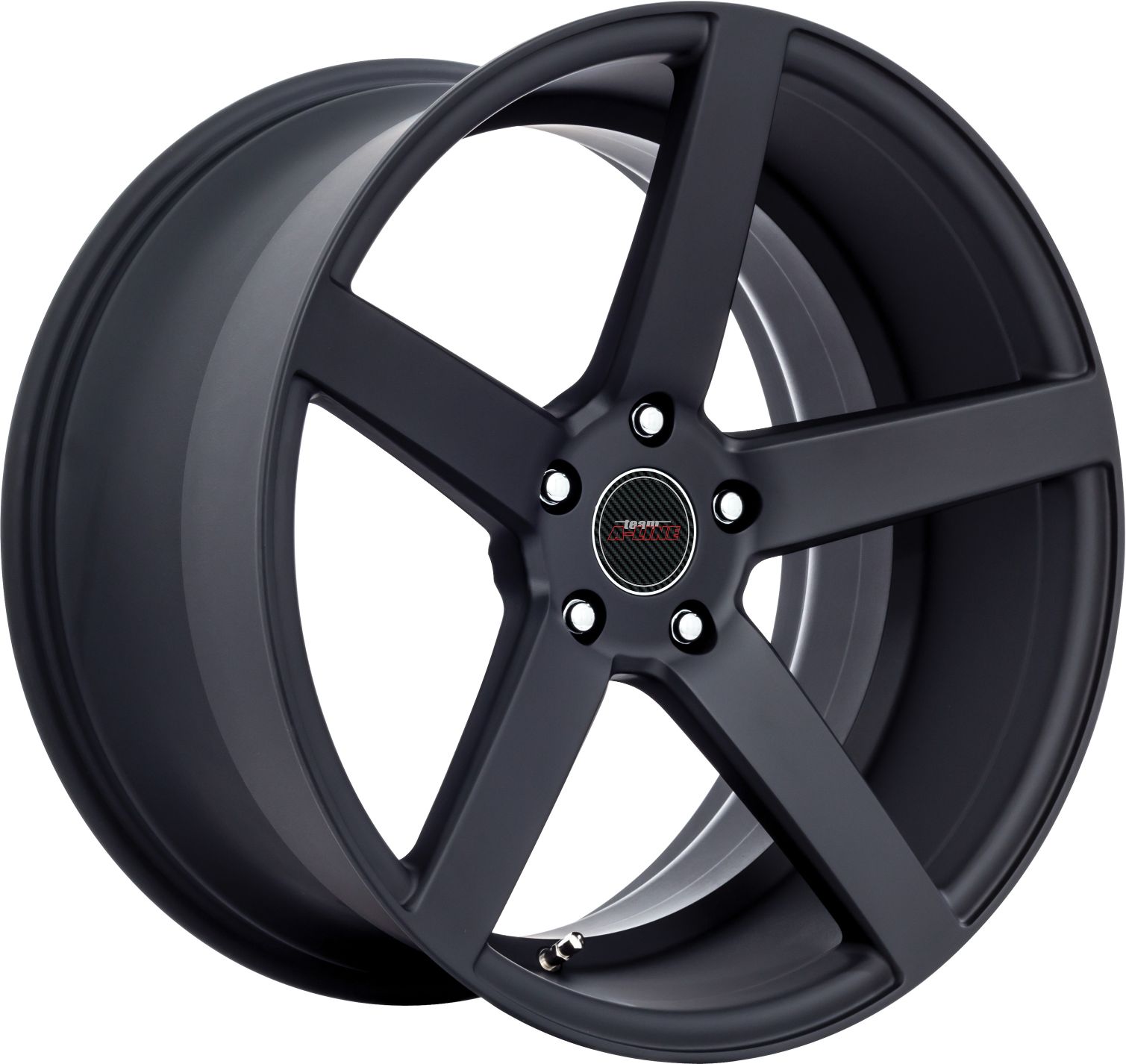
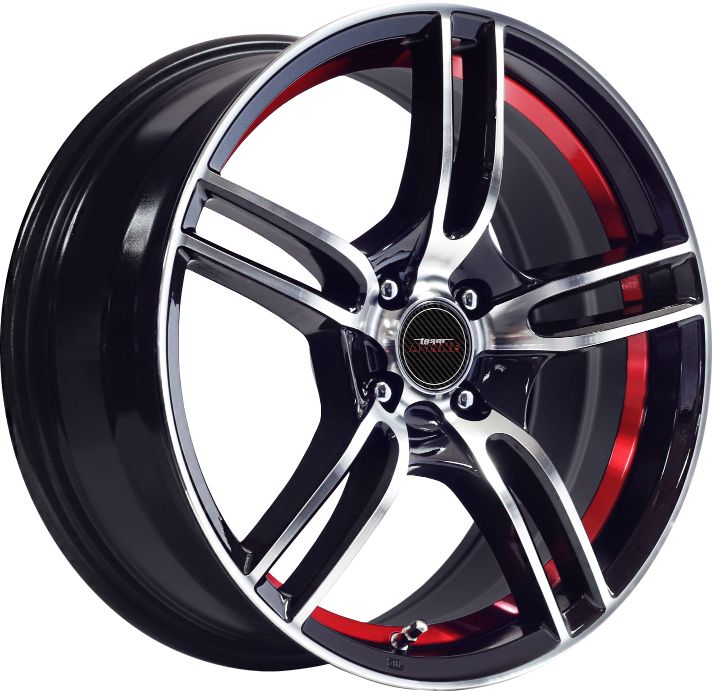
The Advantage Of Alloy Wheels

CHOOSING AND FITTING ALLOYS, MAGS AND RIMS

The point of using Lorem Ipsum is that it has a more-or-less normal distribution of letters, as opposed to using 'Content here, content here', making it look like readable English. Many desktop publishing packages and web page editors now use Lorem Ipsum as their default model text, and a search for 'lorem ipsum' will uncover many web sites still in their infancy.

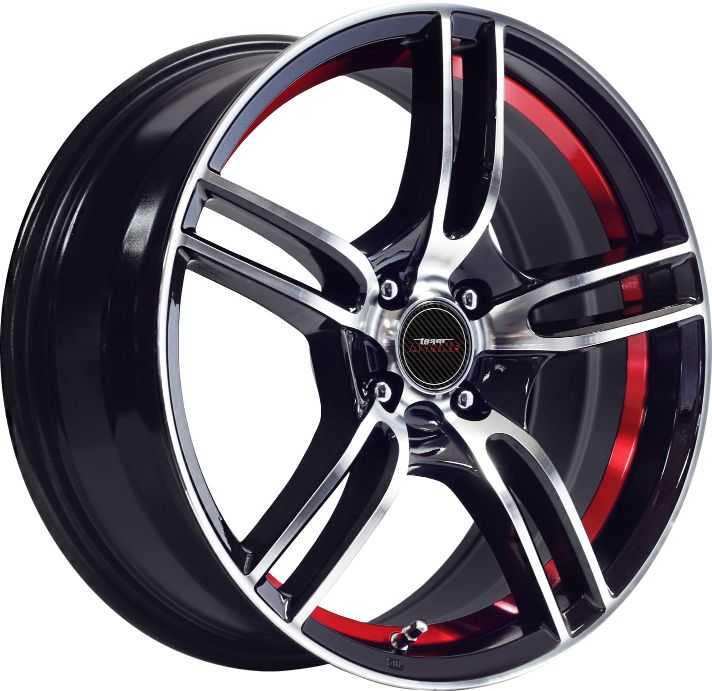
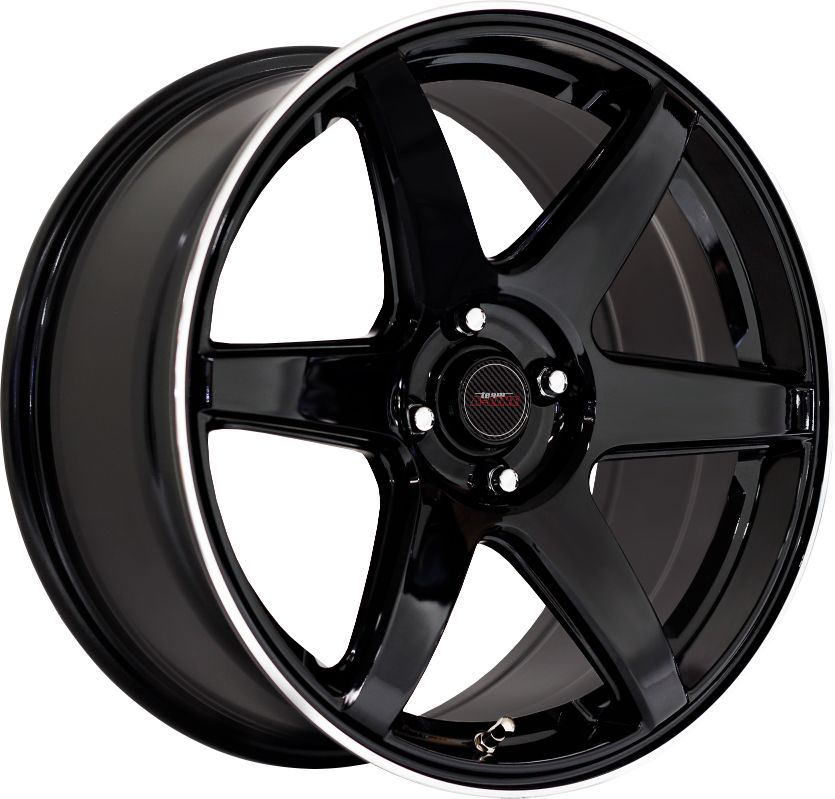
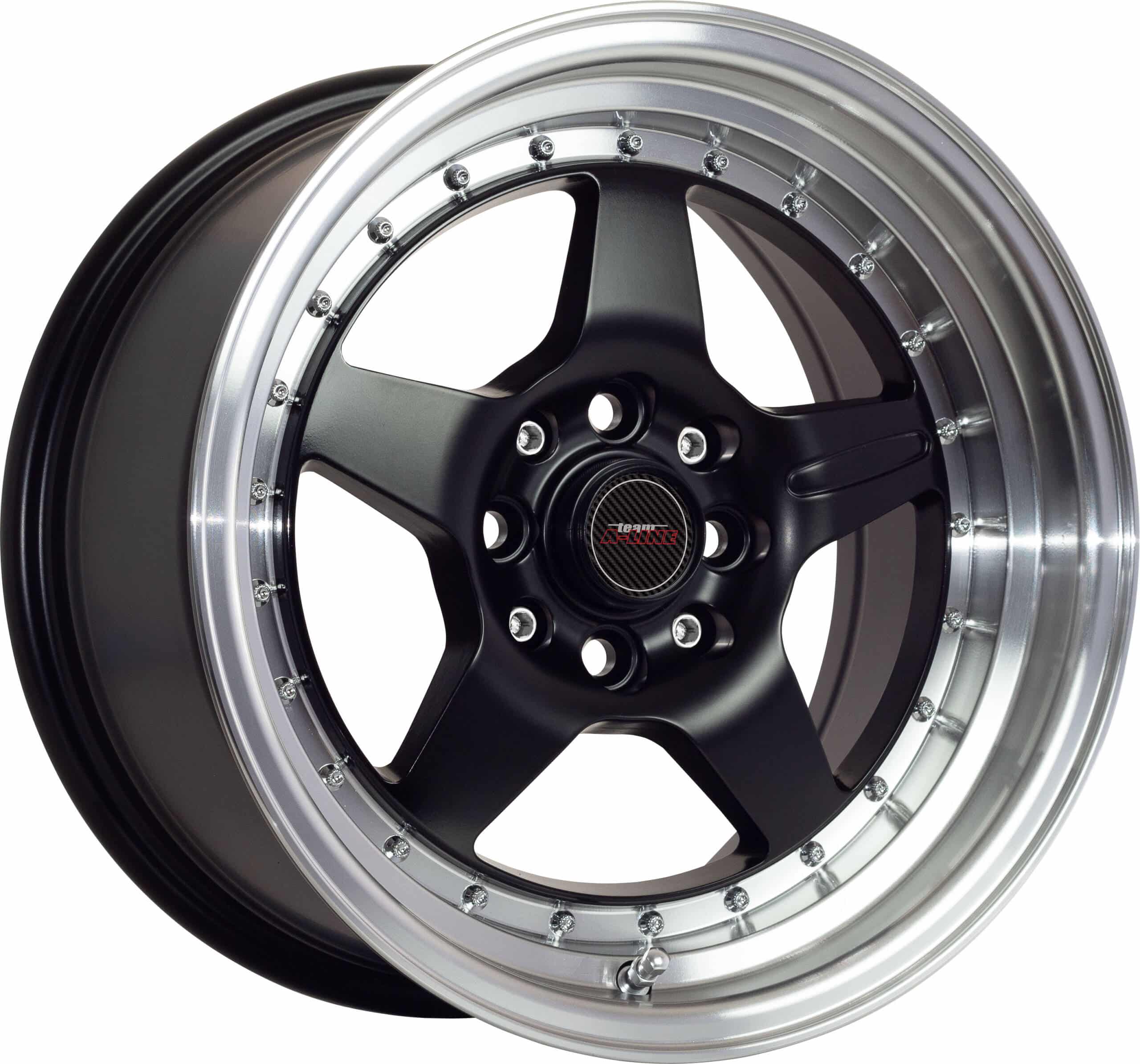
1. A set of alloy wheels will improve the appearance of your vehicle and in so doing will make your vehicle stand out from the crowd. 2. Alloy wheels will reduce the unsprung weight of a vehicle fitted with standard steel wheels. The benefit of reduced unsprung weight is more precise steering as well as a nominal reduction in fuel consumption. 3. Alloy is an excellent conductor of heat, improving heat dissipation from the brakes, reducing the risk of brake failure under demanding driving conditions. 4. When selling alloy wheels applying the “inch up principle”, there is an improvement in the steering response and road holding, especially when cornering.
1. Firstly, the wheel must appeal to the customer. 2. In order for the wheel to offer the benefits expected from it, it must be manufactured to fit properly. There are four aspects that are critical for precise fitment namely: P.C.D. (Pitch Circle Diameter) Offset Centre Bore Diameter
If one was to draw a line down the centre of the width of a wheel, the offset would be the distance between the back face (mounting face) of the wheel and the centre line. It is vital not to deviate to far from the offset of the wheel originally fitted to the vehicle. A wheel of radically different offset can cause serious clearance and handling problems along with accelerated tyre and bearing wear. The offset of the wheel can normally be found either at the back of the wheel or in the front of the wheel. “ET” precedes the offset and is therefor also referred to as the ET number e.g. ET35. A positive offset wheel would mean the back face of the wheel is in front of the centre line of the wheel. The more positively a wheel is offset the more it will sit inside of the wheel well. A negative offset wheel will mean that the back face of the wheel is behind the centre line of the wheel. The more negatively offset a wheel is the more it will fill the fender.
This is the diameter of the centre hole of the wheel. It is crucial that the wheel spigot locates properly on the hub of the vehicle. Most rims work on a spigot ring locating system. This means the wheel has a large centre bore and the spigot ring, with the correct inner diameter for the vehicle’s hub assembly, is inserted for the wheel to fit tightly onto the vehicle. There are wheels that are hub centric i.e. the wheel is manufactured with a centre bore to fit precisely onto a specific vehicle. If the wheel does not locate onto the vehicle’s hub assembly correctly it will cause a vibration on the steering wheel and can lead to bad wear on the tyres and bearings.
The rim size is represented as follows: Rim width x rim diameter e.g. 7j x 15 The width is the section between the tyre mounting flanges on the wheel. The diameter is the height of the wheel.
Caliper Clearance (X-factor): The amount of clearance built into the wheel to allow for the vehicle’s brake rotor and caliper assembly. X Factor means caliper clearance or brake clearance. All wheels should be carefully checked on the vehicle for fitting and clearance prior to use.
Load capacity is the amount of weight a wheel will carry. This number will vary depending on the number of lugs, the PCD, the material used and the type of axle the wheel is used on. A wheel used on a free rolling trailer axle will carry more weight than that same wheel used on the drive or steering axle of a vehicle. All wheels will have the load capacity stamped on the back of the wheel.
1. Before fitting tyres to the rim always check the wheel on the vehicle first. Make sure the P.C.D. lines up, that the wheel spigot locates on the hub and that there is fender, strut and caliper clearance. 2. Once you have mounted the wheel and tyre, before lowering the vehicle, spin the wheel and tyre to ensure that it is not touching on the body, suspension or caliper. This will also make sure that if you have fitted bolts that they are not too long. 3. The wheel bolts or nuts must be tightened to the manufacturer’s specified torque. The bolts and nuts need to be retorqued 100km after being fitted. 4. Tightening of bolts or nuts must be done in the correct sequence and progressively i.e. tightening each nut or bolt a little at a time in the correct sequence 5. If the customer has kept his original spare make sure you have put the correct number of the original bolts or nuts with it. 6. Ensure the customer has a wheel spanner that will fit both the original nuts and bolts as well as the original nuts or bolts of the spare wheel.